Hi, I'm Lindsay
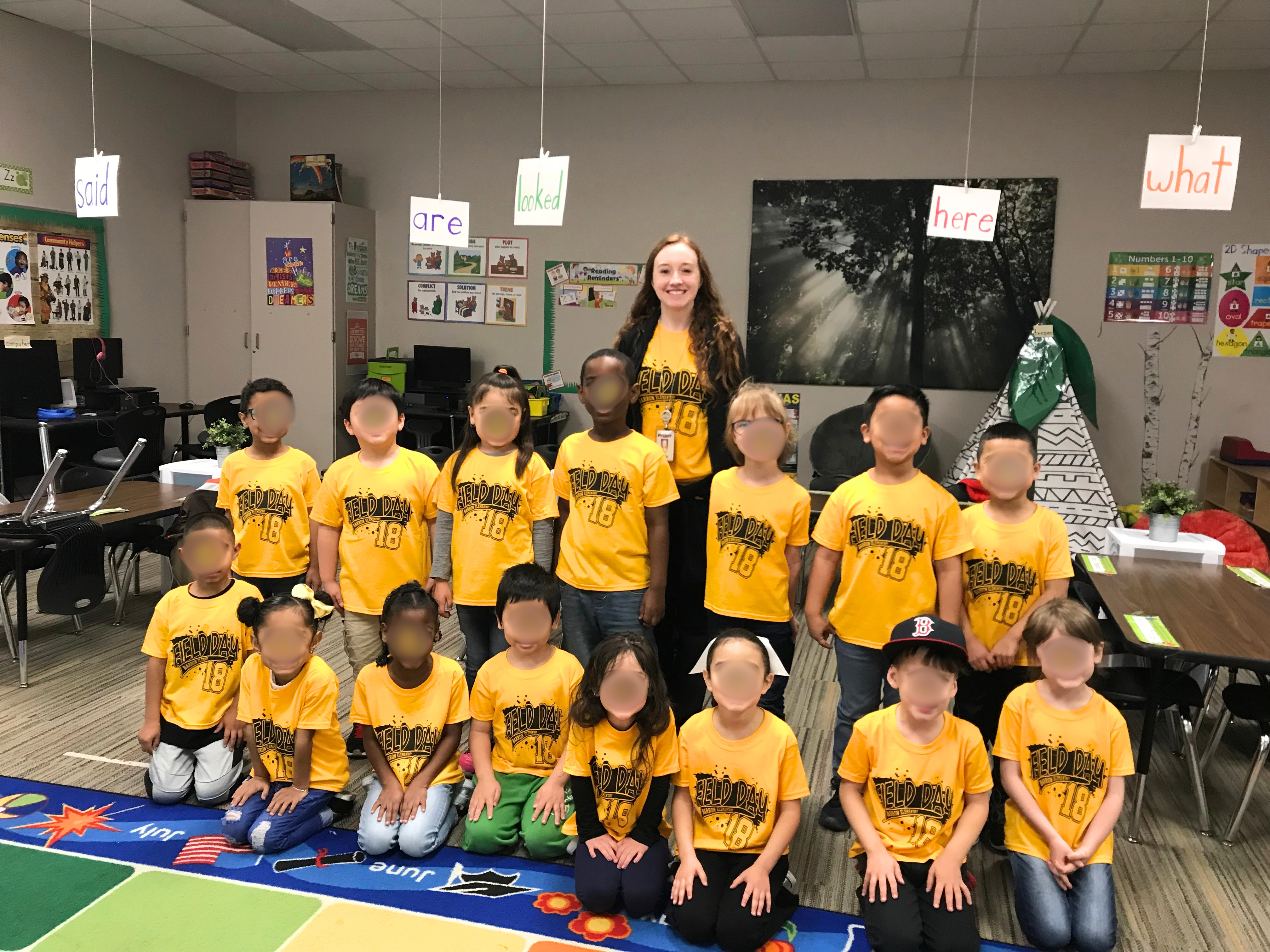
Before Family Phonics, I spent six years teaching kindergarten. I loved those kids fiercely, and their parents just as much, staying late for conferences because I wanted them to feel like part of what we were doing.
But something never sat right with me. I saw five year olds carrying real stress, labeled as behind, pushed toward benchmarks their bodies weren't ready for. I saw it from the parents' side too: a report card would come home, fear would turn into pressure, and reading time would turn into a fight, when it should have been the safest place for a kid to struggle and learn.
So I left the classroom and started studying everything I could: the nervous system, child development, the science of reading, and my own path through movement and dance.
Then I had my own daughter. Raising her taught me firsthand that you cannot push a child toward learning without a cost. I wanted reading to feel like an invitation, not a fight. That's what shaped how I work with families today.
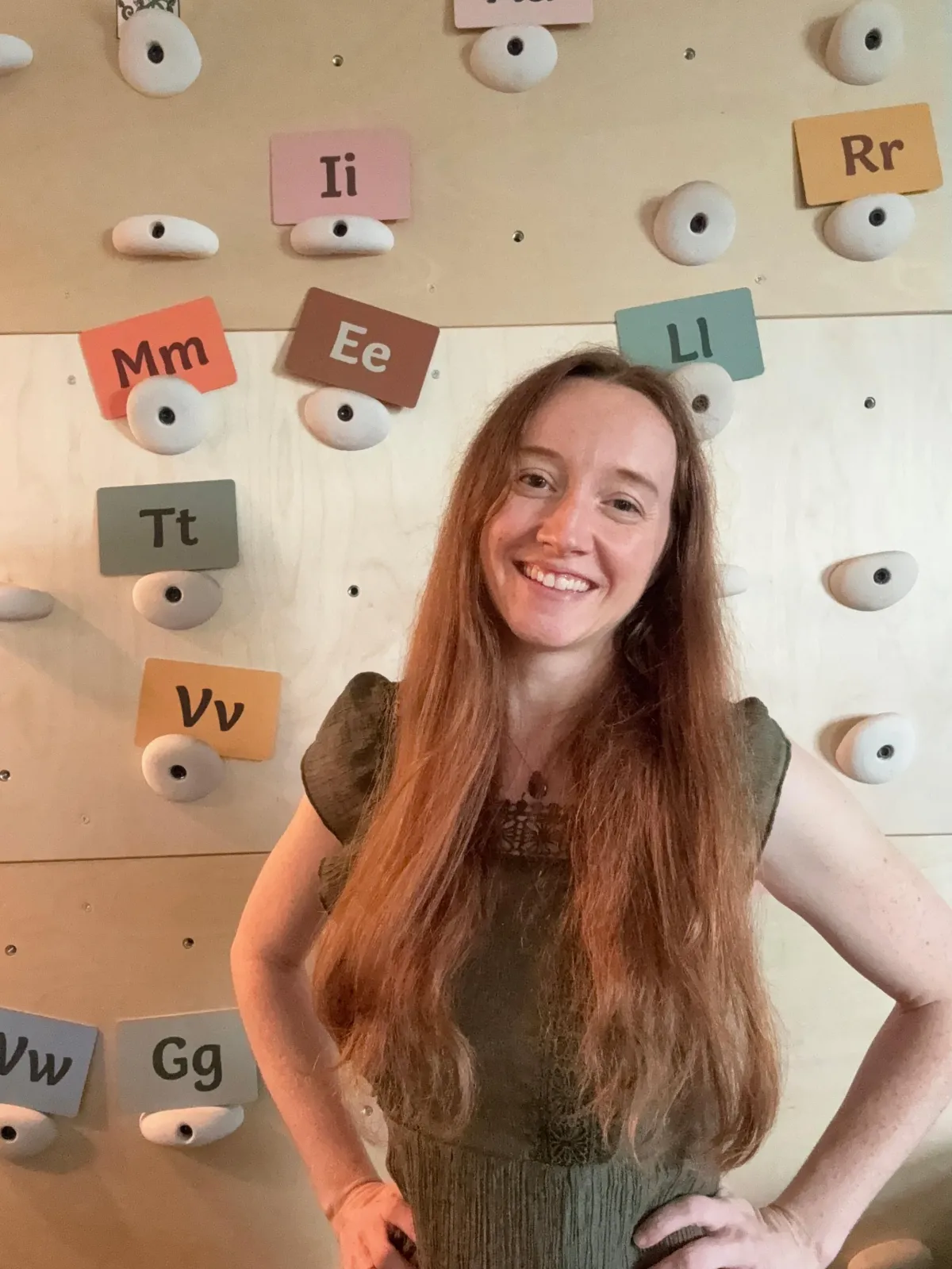
What I Love
This is what lights me up!
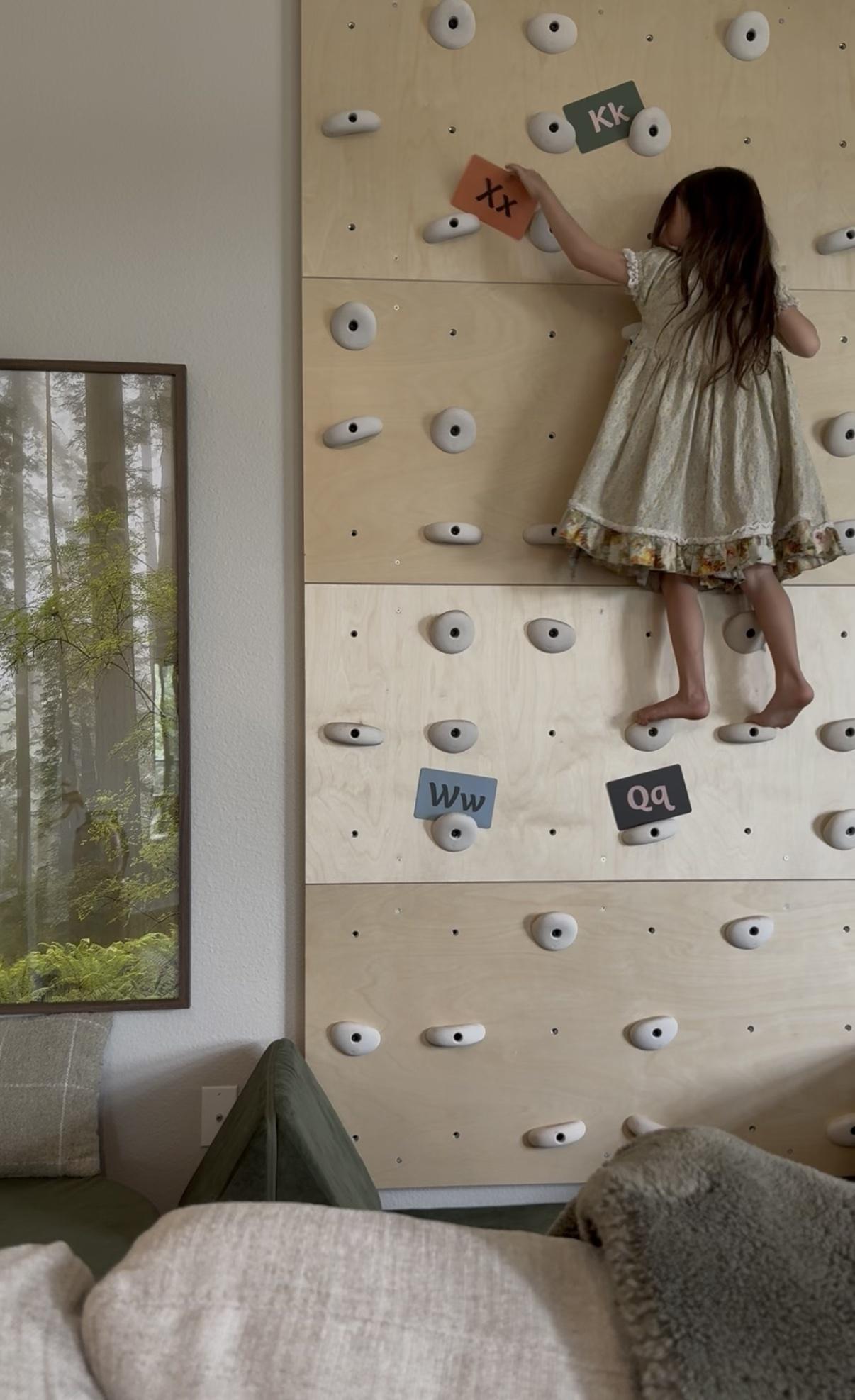
One of my favorite parts is planning for your specific child: what they're into, how they like to play, what makes them laugh, and folding reading into all of it, so it's something they want to engage in, not something asked of them.
I love handing you a strategy and watching it just... work. Simply, no fight required.
And then there's the deeper shift: when your child feels understood in the way they're learning, and reading becomes one more thread that draws you closer together, instead of pulling you apart.

“Their sessions helped me find calm and clarity. Each class brings peace and strength I carry into daily life. I’ve never felt more connected to my body and mind.”
My Philosophy
Every Child Learns On Their Own Timeline, In Their Own Way.
Not a curriculum's timeline, not a benchmark's timeline, their own. That timeline is more joyful and more effective when it's driven by desire, play, and curiosity instead of rigidity and pressure.
I believe the nervous system comes before the curriculum, which is why I'm always adjusting in the moment rather than sticking to a fixed plan. And connection has to come before anything else. Learning happens best when a child feels connected and regulated. Really, everything does.
Reading shouldn't feel like a have to do. It should be a get to do: an invitation, a game, a sweet note on the cover of a book, part of a science experiment or baking together.
10th
Experience
Credentials
A Little About My Background
Before Family Phonics, I spent six years teaching kindergarten, working directly with five and six year olds every day. Outside the classroom, I taught children's yoga, dance, and theatre, and worked as a full-time nanny, each teaching me something different about how kids' bodies and nervous systems work.
Underneath it all has been ongoing study of the science of reading and the nervous system. But maybe what matters most is that I'm living this exact work at home too, as a mom to a five year old learning to read. Everything I know has been shaped just as much by her, and by every family I've had the privilege of working with.
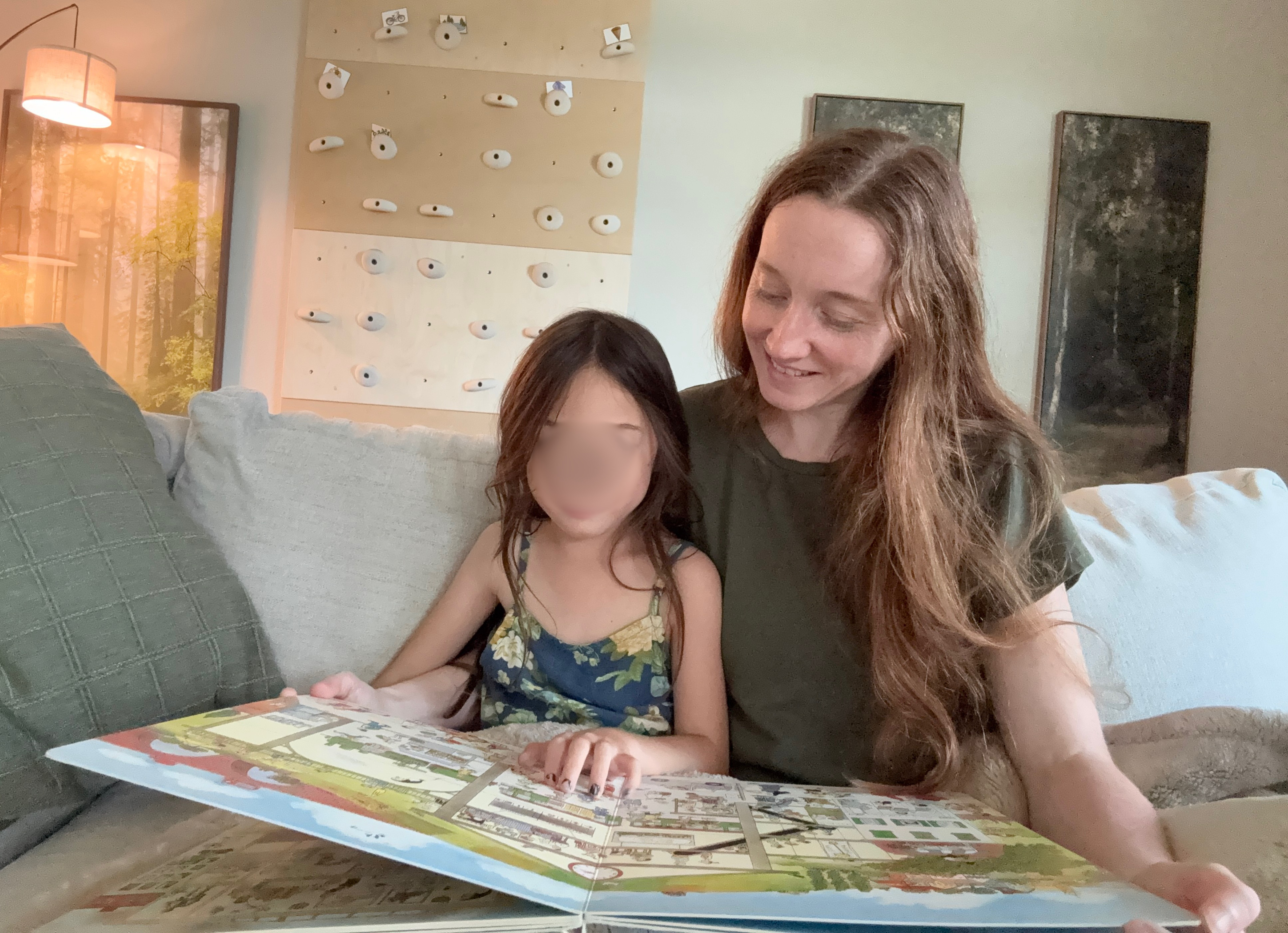
If this feels like the kind of person you'd want walking alongside your family, I'd love to hear from you.
Family Phonics
Play based, nervous system aware, early literacy support for children ages 4 to 7 and the families who love them. Based in Austin, Texas.
Pages
Information

© 2026 Family Phonics. All rights reserved.